Classic Holly Berry Circle Wreath Review
As an embroidery designer preparing for the upcoming holiday craft fair season, my selection process for booth inventory is rigorous. Every machine embroidery design must earn its place on the production schedule based on visual impact, stitch efficiency, and commercial viability. When evaluating the Classic Holly Berry Circle Wreath for this year’s lineup, I am looking at more than just a festive motif; I am assessing a versatile framing tool that can elevate multiple product categories. This review breaks down how this specific design performs in a real-world selling environment, from the digitizing file to the finished product on the table.
First Impressions: Elegant Tradition Meets Market Appeal
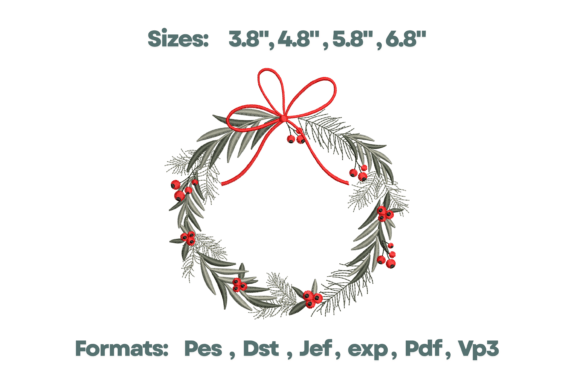
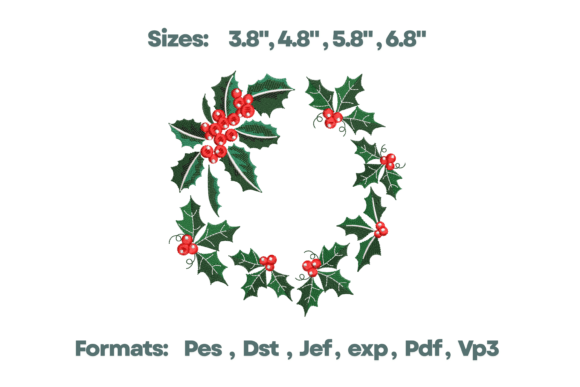
The immediate impression of the Classic Holly Berry Circle Wreath is one of refined tradition. Unlike novelty Christmas designs that rely on humor or bright neon colors, this design leans into an elegant, timeless aesthetic. The description highlights a "full, continuous circle border," which signals to me as a designer that this is a frame-first asset. In a crowded handmade market, customers are often drawn to items that feel bespoke and polished rather than generic. This wreath strikes a balance between farmhouse rustic and classic elegance, making it highly attractive to buyers looking for sophisticated holiday decor or personalized gifts.
For an Etsy seller or boutique maker, this visual tone is crucial. It suggests premium quality rather than fast fashion. The continuous nature of the circle implies a well-digitized path with minimal jumps, which is essential for maintaining production speed during batch runs. When I look at this design, I see a high-value anchor for monograms or custom names, transforming a standard item into a meaningful keepsake.
Top Performing Products for Craft Fair Sales
Not every embroidery file works on every substrate. Based on the structure of the Classic Holly Berry Circle Wreath, I have identified specific products where this design will yield the highest return on investment at a weekend market.
- Tea Towel Embroidery: This is arguably the strongest application. The circular frame centers perfectly on a towel, providing ample negative space for a family name or date. Flour sack towels offer a smooth fabric texture that allows the holly details to pop without getting lost in terry cloth loops.
- Tote Bag Design: Canvas totes are craft fair staples. Placing this wreath on a natural canvas bag creates a high-contrast, eco-friendly aesthetic that sells quickly. The circle shape mimics the organic feel of cotton canvas, making the finished product look cohesive.
- Apron Embroidery: For kitchenware vendors, this wreath adds a touch of holiday hosting elegance to aprons. Positioned over the heart or centered on the bib, it serves as a beautiful backdrop for "Hostess" or "Baker" personalization.
- Embroidered Patch: Because the design is a continuous circle, it is an excellent candidate for creating standalone patches. These can be sold as add-ons or applied to denim jackets and caps, diversifying your price points without requiring new digitizing.
- Pillow Covers: As a home decor item, pillow covers allow for larger hoop sizes. The wreath can be scaled up significantly here, showcasing intricate berry details that might be lost on smaller accessories.
Production Practicality and Booth Display Strategy
When preparing for a show, time is money. The Classic Holly Berry Circle Wreath scores high on repeatability. A circular frame is generally faster to align than rectangular or irregular shapes because rotation errors are less visually obvious. This makes it ideal for batch production on similar items like tea towels or napkins.
From a display perspective, this design acts as a visual magnet. In a booth filled with varied textures and colors, the symmetry of the wreath provides a resting point for the eye. I recommend stitching out at least three variations in different thread colors—perhaps a traditional red/green, a muted sage/cream, and a metallic gold—to demonstrate versatility. This shows customers that the design fits their specific home decor style. Furthermore, because the center is open, you can easily swap out the inner text on your sample pieces throughout the day to target different demographics, changing "The Smiths" to "Merry Christmas" or "Joy" depending on who is walking by.
For online sellers, this design photographs exceptionally well. The circular geometry frames the product naturally in square listing photos, reducing the need for excessive cropping. Creating a printable mockup or digital listing image is straightforward because the boundaries of the design are clearly defined.
Critical Use Notes for Professional Results
Despite its elegance, the Classic Holly Berry Circle Wreath requires technical attention to ensure commercial quality. As with any detailed botanical design, there are specific pitfalls to avoid.
- Stitch Density Management: Holly leaves often feature satin stitches or heavy fills. If you are stitching on thick fabric like fleece or plush velvet, the density may cause puckering or needle breaks. Always test stitch density on scrap fabric first. You may need to use a lighter weight bobbin thread or adjust top tension.
- Fabric Texture Compatibility: Avoid using this design on highly textured terry cloth or waffle weave unless you use a water-soluble topping. The fine details of the berries and leaf veins will sink into the pile, resulting in a muddy appearance. Smooth cottons, linens, and tight-weave canvases are superior choices.
- Scaling Limitations: While the design is versatile, shrinking it too small for items like baby onesies or pocket logos can cause registration issues. Tiny details in the holly may merge if the design is reduced below 40% of its original size. Always check the minimum recommended size in your software before committing to a small shop product.
- Curved Surfaces: If applying this to caps, be aware that a perfect circle distorts on a curved brim. You may need to slightly ovalize the digitized file or accept a stylized distortion. For best results on headwear, stick to flat-front trucker hats or beanies.
- Thread Contrast: On dark fabrics, ensure your stabilizer is adequate to prevent shadowing. Dark red thread on black fabric can look dull; consider outlining the holly in gold or cream to maintain definition and visual appeal.
Designer Checklist Before Selling
Before listing this as a craft fair product or adding it to your Etsy shop, run through this professional checklist to protect your brand reputation:
- Verify Licensing: Confirm that your purchase includes commercial rights for finished products. The description mentions exclusivity, but always double-check if there are limits on the number of physical items you can sell versus digital files.
- Hoop Size Confirmation: Ensure the design fits comfortably within your machine’s maximum stitch area with adequate margin for hooping. Trying to squeeze a design into a hoop that is barely large enough leads to alignment failures.
- Stabilizer Selection: Match the stabilizer to the fabric. Use cut-away for stretchy knits and tear-away for stable wovens. For the Classic Holly Berry Circle Wreath, a medium-weight cut-away is often the safest bet for consistent registration across various products.
- Create Real Mockups: Do not rely solely on digital renders. Stitch out a physical sample on your intended selling substrate. Photograph this sample in natural light to accurately represent the sheen of the rayon or polyester threads.
- Test Wash Durability: If selling tea towels or aprons, wash and dry your sample to ensure the dense holly areas do not pucker or distort after laundering. Customers expect handmade goods to last.
The Classic Holly Berry Circle Wreath is a robust asset for any embroidery business focusing on the holiday season. Its combination of traditional beauty and functional framing capability makes it a reliable seller across multiple product types. By respecting the technical requirements of the design and leveraging its elegant aesthetic in your marketing, you can create a cohesive, profitable collection that stands out in both physical markets and digital storefronts. Remember, successful commercial embroidery is about the intersection of art and engineering; this design offers a perfect opportunity to showcase both.