Elegant Angel Wings Feathery Line Stitch Review
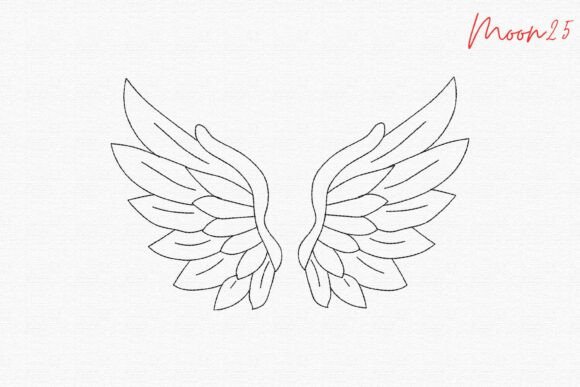
When evaluating a new machine embroidery design for my studio, I look beyond the digital preview to understand how it will actually behave under the needle. The Elegant Angel Wings Feathery Line Stitch immediately caught my attention not because of heavy coverage or dense fills, but because of its deliberate use of negative space and linear movement. In the realm of religious and spiritual embroidery, designs often lean toward traditional satin stitches and heavy outlines. This design takes a different approach, utilizing smooth dotted linework and layered feather details to create a symmetrical wing pair that feels ethereal rather than rigid. As a designer who frequently produces custom apparel and personalized gifts, I see this as a versatile asset that bridges the gap between delicate heirloom stitching and modern boutique aesthetics.
First Impressions and Visual Personality
The mood created by the Elegant Angel Wings Feathery Line Stitch is undeniably soft and celestial. Upon loading the embroidery file into my editing software, the first thing I noticed was the balance of the symmetry. Symmetrical wings can sometimes appear mechanical or stiff if the curves are not digitized with organic flow, but this design maintains a natural, feathery rhythm. The reliance on line work rather than solid fill stitch areas gives it an airy quality that is difficult to achieve with standard digitizing techniques.
This visual personality makes it particularly suitable for projects where the fabric itself needs to remain part of the design narrative. Unlike a heavy applique design that completely covers the base material, these wings allow the texture and color of the garment to breathe through the stitching. For an Etsy seller or small shop product creator, this translates to a lighter, more breathable finish on garments like linen shirts or cotton muslin baby items, where heavy thread coverage might cause puckering or discomfort.
Real-World Application: Custom Sweatshirt Project
To truly test the viability of this design, I recently incorporated it into a custom order for a minimalist crewneck sweatshirt intended as a memorial gift. The client wanted a subtle angel motif that didn't look like a generic religious clip-art but rather felt like a high-end handmade product. I chose the Elegant Angel Wings Feathery Line Stitch specifically because the dotted linework offered a tactile element that photographed beautifully for the client's approval mockup.
During the stitching process on fleece-backed sweatshirt fabric, the design performed exceptionally well. Because it avoids large blocks of dense stitching, there was minimal distortion of the knit fabric. The layered feather details laid down smoothly without requiring excessive trims or jumps. The result was a sophisticated sweatshirt embroidery that felt integrated into the garment rather than sitting heavily on top of it. From a business perspective, this efficiency matters; the design stitched out faster than a comparable sized satin-stitch wing, reducing machine time while increasing the perceived value of the finished product.
Fabric Considerations and Stabilizer Strategy
While the Elegant Angel Wings Feathery Line Stitch is versatile, its reliance on fine lines means you must be intentional about your substrate. Line-based designs are less forgiving than dense fills when it comes to fabric instability. If you are planning a tote bag design on unstructured canvas, the design will shine. However, if you are attempting this on stretchy jersey or thin voile, your choice of stabilizer becomes critical.
- Stretchy Fabrics: Use a cut-away stabilizer to prevent the dotted lines from wavering or tunneling during the wash cycle.
- Textured Fabrics: On terry cloth or plush towels, consider using a water-soluble topper. Without it, the delicate feathery lines may sink into the pile and lose their definition.
- Dark Fabrics: Since this design uses open linework, ensure your thread colors provide sufficient contrast. A white thread on cream fabric may look elegant digitally but disappear physically.
- Curved Surfaces: Exercise caution when hooping caps. The symmetrical span of the wings may exceed the safe stitch area of a curved cap frame, leading to registration issues at the outer tips.
Always verify the specific hoop size requirements in the product description before purchasing. While the design is airy, the wingspan dictates the minimum hoop dimension needed to maintain proper tension.
Commercial Viability for Makers and Sellers
For creative entrepreneurs and craft business owners, the Elegant Angel Wings Feathery Line Stitch offers distinct advantages in product development. Its gender-neutral and ageless aesthetic makes it a strong candidate for year-round inventory, moving beyond just holiday-specific sales. I can easily envision this design working across multiple categories:
- Baby Embroidery: The lack of dense backing makes it gentle against sensitive skin, perfect for onesies or nursery pillow covers.
- Holiday Embroidery: It serves as an elegant accent for Christmas stockings or Easter bonnets without being overly cartoonish.
- Memorial and Sympathy Gifts: The respectful, understated nature of the line art conveys comfort without being ostentatious.
- Boutique Branding: The clean lines photograph exceptionally well, making it ideal for printable mockups and social media marketing assets.
However, professional integrity requires due diligence. Before listing any item featuring this design, confirm the licensing terms included with the digital embroidery file. Ensure you have the rights to sell finished physical products or if the license restricts commercial use. Additionally, never assume a design is production-ready straight from the download. Always run a sew-out on scrap fabric similar to your final project to check stitch density and registration.
Designer Notes for Optimal Results
As someone who reviews design assets regularly, I recommend a few specific adjustments when working with the Elegant Angel Wings Feathery Line Stitch. First, test the design in both black and white and full-color mockups. Sometimes, converting a preview to grayscale reveals whether the dotted lines have enough contrast to stand alone without color differentiation. Second, pay close attention to the connection points between the feathers. If you notice gaps in your test stitch-out, it may indicate a need for a slightly heavier weight thread or a minor adjustment in pull compensation within your software.
Finally, consider the context of the personalized gift market. This design pairs beautifully with script fonts, but avoid placing text directly inside the curve of the wings unless you have verified the spacing. The negative space is part of the design’s elegance; overcrowding it diminishes the celestial effect. Whether you are creating an embroidered patch, a tea towel, or a piece of wall art, let the feathery line stitch be the focal point. By respecting the technical nuances of this unique style, you elevate your work from simple decoration to thoughtful, professional craftsmanship that resonates with customers seeking quality and meaning in their purchases.